









Every single day, plant managers face a very tough battle. They must keep daily operating costs down while constantly boosting their output. The secret weapon in this big fight is often hidden right in plain sight. It is the mighty graphite electrode. This massive carbon cylinder channels huge amounts of power into arc furnaces, melting scrap metal into liquid gold. However, keeping graphite electrode consumption low is a constant, stressful challenge for any factory. In this comprehensive guide, we will explore exactly how understanding your heavy tools can completely transform your business. We will look closely at consumption rates, mechanical strength, and the whole graphite electrode market. If you want to improve efficiency and quality while raising productivity, please read on. I will share direct tips from over thirty years of factory floor experience. Let us dive right in and learn.
How does the electric arc furnace drive modern steel production?
The way we make metal has changed forever. Modern steel relies heavily on recycling. Instead of digging up dirt and making new iron in giant, smoky blast furnaces, we melt down old cars and building beams. The electric arc furnace is the real star of this green show. It uses intense, focused heat to melt scrap metal fast. This modern method, widely known as eaf steelmaking, is much greener and much more flexible than older methods. You can turn it on and off much easier than a blast furnace.
In this steelmaking process, the electric arc furnace uses a giant electrical spark. This spark jumps from the electrode tip down to the scrap steel sitting below. The heat generated is absolutely incredible. It turns solid metal pieces into glowing liquid in mere minutes. This pure speed is exactly why eafs are quickly taking over the entire steel industry. A faster melt means you can run more batches per day. More batches mean more products to sell to your customers.
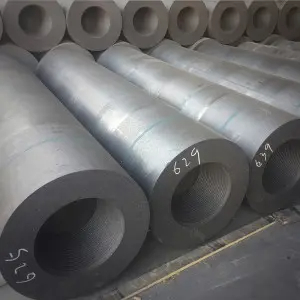
Many buyers ask me how they can do this better and faster. The answer always starts with your core components. If you use a highly reliable HP Graphite Electrode, your melting pot runs much smoother. The electrical power stays perfectly steady. The melting happens right on schedule without weird delays. This is the very foundation of good steel production efficiency. You simply cannot build a fast car with cheap tires.
Why is the graphite electrode the heart of eaf steelmaking?
Think of the graphite electrode as a giant, heavy-duty power cord. It carries the electric current from the factory grid right into the dark center of the melting pot. It delivers electrical energy into the furnace with amazing heat transfer efficiency. Nothing else on Earth can survive this extreme job without melting. These cylinders can be huge, sometimes over 700 millimeters wide and very heavy.
A standard copper wire would turn to vapor instantly under this load. But a graphite electrode stays incredibly strong. It has high electrical conductivity, meaning massive power flows through it very easily. At the exact same time, it strongly resists melting. This unique mix of physical traits is what makes the whole system actually work. Without it, the spark would simply fail. The arc would die, and the metal would stay solid.
In fact, the size of graphite chosen must perfectly match your furnace capacity. This is a very strict rule. If you use an electrode that is too small, it will snap under the heavy power load. If it is too big, you waste a lot of money and make your cranes work too hard. Finding the perfect balance is key to keeping the arc stable and the heat very high. A stable arc means a happy plant manager.
What factors influence graphite electrode consumption?
Every time you turn on the power, the massive cylinder shrinks a little bit. This steady shrinking is called electrode consumption. It is a major, ongoing cost in steel production. Every procurement boss in the world wants to lower their consumption rates to save their company money. If you can save just a little bit of money per ton of steel, overall profits soar over the year. It adds up very fast.
Graphite electrode consumption happens in a few clear ways. First, the very tip evaporates in the extreme heat of the spark. This is normal. Second, the long sides burn away slowly due to oxygen in the air. Finally, pieces can break off if heavy scrap falls against them during the loading phase. This breakage is the worst kind of loss because it is sudden and very expensive.
To safely lower the cost of eaf, you must firmly control these daily losses. Good operational habits help a lot. Do not drop heavy things on your delicate tools! But buying a top-tier tool is just as important. Better materials burn much slower in the heat. They break far less often. This means fewer stops to change broken parts, keeping your team safe and busy.
How do high temperatures and oxidation affect the electrode?
Inside the melting pot, things get incredibly hot. We are talking about high temperatures that reach many thousands of degrees Celsius. In this high-temperature zone, the normal air itself becomes the enemy. Oxygen attacks the hot carbon, causing unwanted oxidation. The solid sides slowly turn into invisible gas and vanish up the chimney. This makes the tool thinner and weaker over time.
To successfully fight this invisible thief, the electrode needs excellent thermal resistance. It must handle the intense heat without losing its rigid shape. The thermal properties of the material decide how fast it wears down. A poorly made piece will taper very quickly. It will end up looking like a sharply pointed pencil. This is bad for business because a thin tip cannot carry much power.
Workers try to carefully reduce air leaks to slow this down. Sometimes they use water cooling sprays on the outside rings. However, the best defense is starting with a dense, solid tool. Choosing a reliable RP Graphite Electrode ensures that oxygen struggles to penetrate the surface. A tighter, harder surface means a much longer lifespan inside the fire.
Can Chinese graphite electrodes meet the global market demands?
Years ago, some careful buyers were hesitant about imported parts. Today, things have changed completely. Chinese graphite has improved massively in both quality and scale. In fact, Chinese graphite electrodes now power some of the biggest and busiest mills in the world. The global market relies heavily on this supply chain to keep prices fair and factory stock full.
Factories in China have invested millions into their graphite electrode production capacity. We now use advanced, computer-controlled machines. We run strict quality checks on every single batch before shipping. Brands like Fangda Carbon set high standards early on, and many specialized factories like ours follow suit. We can now easily match the performance of much older Western brands. Our packing in strong wooden crates even protects them during long sea voyages.
The daily demand for graphite electrodes is huge and growing. By tapping into the global graphite electrode network, steel mills can find highly reliable suppliers. You get great performance without paying a crazy premium. This keeps your costs down while your factory output goes up. It is a win-win situation for smart buyers everywhere who need steady deliveries.
What raw materials dictate the efficiency and quality of an electrode?
You cannot bake a great cake with bad flour. The exact same rule goes for industrial tools. The raw material is everything. The raw materials used decide the final strength and the final conductivity. The best makers use high-grade petroleum coke and premium imported needle coke. These special cokes are not cheap, but they are absolutely worth it.
Needle coke is very special. During baking, it forms long, needle-like crystals inside. These long crystals carry electricity beautifully. When you mix this carefully with sticky coal tar pitch, you get high-quality graphite. This careful blending ensures the homogeneity and stability of graphite throughout the whole heavy piece. It takes weeks of baking to get this right.
When the thick mix is perfectly uniform, you get true homogeneity. This means there are absolutely no weak spots or air bubbles hidden inside. The stability of graphite electrode under stress depends entirely on this even mix. If the raw material is cheap, the tool will fail loudly when you push the power up. We never cut corners here, because a broken tool stops the whole factory.
How do ladle furnaces and submerged arc furnaces differ in electrode use?
Not all melting pots are exactly the same. After the main electric arc furnace melts the initial metal, the liquid moves to ladle furnaces. Here, smaller electrodes gently warm the liquid steel to refine it perfectly. They use much less power than the main pot. Because of this, a regular power unit often works perfectly for this gentle heating task. They just need to keep the soup warm.
Then we have the submerged arc furnace. This is a totally different beast entirely. Instead of melting scrap, it makes raw alloys from scratch. The tips of the tools are buried deep down in the rocky mix. They help create valuable silicon metal, bubbling calcium carbide, and various types of strong ferroalloy. These pots run day and night without stopping.
In these deep, submerged operations, the intense heat stays trapped inside the pile. The long electrodes must survive a harsh, boiling chemical bath. They need to be incredibly tough and resist chemical attacks. While regular steel needs fast, flashing melting, an alloy plant needs steady, relentless heat. Sometimes they use a robust UHP Graphite Electrode to handle these extreme underground currents safely.
Why is thermal shock resistance critical for steel mills?
An active melting pot is a very violent place. One minute the big cylinder is sitting cold in the storage rack. The next minute, it is blasted with huge lightning bolts. This rapid, extreme change causes massive stress inside the carbon body. Without good thermal shock resistance, the whole piece will crack and drop right into the hot bath below.
When a big piece breaks off, it completely ruins the chemistry of your batch. It also causes too much raw carbon to enter the liquid mix. You then have to spend precious time fixing the slag and adjusting the thick slag formation. This slows down the whole factory line and deeply hurts your durability tracking metrics. Nobody wants to clean up a broken piece from a hot pot.
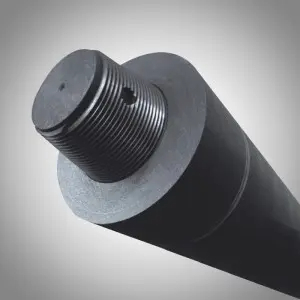
This is exactly why mechanical strength matters so much. A strong body, paired with precision-machined Graphite Electrode Nipples, holds the giant column together tightly. When the screw joints are torqued tight and the material is strong, the column can easily handle the shakes, shocks, and wild vibrations of the daily melting cycle. Good threads save lives and money.
How can you optimize production cost per ton of steel?
Every smart plant manager tracks their factory numbers closely. The main goal is simple: lower the production cost per ton of steel. To optimize this important number, you must look closely at your energy consumption. A well-made tool carries power better. This means you use much less factory electricity to melt the exact same amount of metal. Power bills are huge, so saving power is vital.
Steel production efficiency also depends heavily on your factory time. If your workers spend less time changing broken parts, you can make more hot heats per day. This means more finished product to sell to your clients. You also refine the metal much faster when the electrical arc is hot and super steady. Time is money in this heavy business.
Sometimes, buying the cheapest tool upfront costs you much more in the long run. If a cheap part burns up twice as fast, you are actively losing money every single day. By focusing on overall quality and lowering consumption rates, your real cost per ton will shrink steadily. It is a smart, proven long-term strategy that the best managers always use.
What does the future hold for the graphite electrode market?
The whole world is pushing hard for greener, cleaner industries. Because of this green push, electric arc furnace steel is growing incredibly fast. It creates far less pollution than old dirt-burning blast furnaces by simply recycling scrap. As this clean push continues, the global demand for high-quality parts will only rise higher and higher.
The graphite electrode market is adapting quickly to this new reality. Factories are upgrading their production process to make stronger, bigger products. UHP (Ultra High Power) units are becoming the normal standard rather than the rare exception. They allow modern mills to push way more power and melt scrap faster than ever before. We are building bigger machines just to make bigger tools.
In the near future, we will see even better raw materials and smarter joint designs. Graphite electrodes are also finding new roles outside of traditional factories. For example, they are helping in silicon purification for green solar panels. They are also used in recycling scrap batteries. The heart of modern steel is beating strong. The future looks very bright for those who choose their materials wisely.
- The Core Tool: The graphite electrode is completely essential for conducting power and creating the hot arc needed in eaf melting.
- Cost Control: Lowering your electrode consumption is the absolute fastest way to drop the production cost per ton of steel.
- Quality Matters: Better raw material, like needle coke, directly improves the electrical conductivity and mechanical strength of the tool.
- Heat Defense: High thermal shock resistance protects the column from breaking during rapid heating, saving time and preventing bad slag.
- Smart Sourcing: Chinese graphite electrodes offer huge value, providing top-tier durability to safely meet the growing demand for graphite electrodes worldwide.
Post time: 3 月-17-2026