










If you run an electric arc furnace, you know that your melting speed and energy costs depend heavily on the tools you use. This comprehensive guide breaks down the complex world of needle coke production. We will explore everything from raw petroleum feedstock to the final graphite electrode. By understanding the true difference between standard petroleum coke, petroleum needle coke, and coal-based variations, you can make smarter, more cost-effective purchasing decisions for your steel mill.
What exactly is needle coke and why is it vital for an electrode?
When we talk about melting scrap metal in the modern steel industry, we must talk about carbon. However, not just any carbon material will do the job. Needle coke is a highly specialized, premium grade of petroleum coke. If you look at it under a microscope, you will see long, needle-like structures. This unique microstructure is exactly what gives this material its name and its incredible power.
You cannot run high-power arc furnaces efficiently without a strong electrode. These massive carbon columns carry huge electric current into the melting pot. Because of this, they must survive extreme thermal stress. This is where needle coke shines. It forms the structural backbone of the very best graphite electrodes. The long, ordered crystals allow electricity to flow smoothly. They also allow heat to spread out quickly, preventing the column from cracking.
"The secret to a long-lasting graphite electrode is hidden inside the crystalline structure of the raw material."
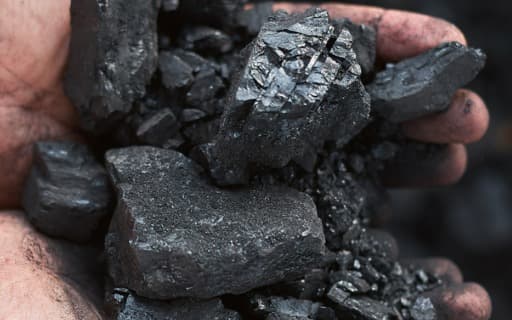
Regular coke from heavy oil might look similar to the naked eye, but it lacks these long crystals. Crystalline petroleum coke, on the other hand, is built to handle the violent, high-temperature environment of an electric arc furnace. Producing needle coke is an art and a science, completely different from making basic fuel coke.
How does the production of needle coke differ from standard coke?
The journey from thick, sticky oil to a premium carbon material is fascinating. The coke production process relies heavily on a system called delayed coking. However, the delayed coking process for standard fuel coke is very basic. You heat heavy oil, pump it into a big drum, and let it bake until it turns into solid carbon and gas.
The production of high-quality needle coke demands much more precision. It starts with a very specific, highly aromatic feedstock. Inside the delayed coking unit, this special liquid is heated very slowly. This slow heating allows a magical thing to happen: the formation of mesophase. Tiny liquid crystal spheres form in the hot oil. As the gas flows upward, it stretches these spheres into long, needle-like shapes. This is the critical moment of needle coke formation.
If the coker unit heats up too fast, the liquid boils violently, and you get a chaotic, messy coke formation. The delayed coking processes must be controlled perfectly to ensure the needles align beautifully. This precise control over temperature and pressure is what separates a standard refinery from a specialized needle coke plant.
Why must we calcine the raw green material to create high-quality coke?
When raw coke comes out of the delayed coking drum, it is considered "green." It is full of trapped moisture, volatile hydrocarbon gases, and it is entirely unsuitable for manufacturing graphite electrodes. To fix this, the green coke is calcined.
To calcine the material, factories use a massive, rotating furnace called a rotary kiln. The green coke tumbles through this furnace at very high temperatures, often reaching 1300°C. During calcination, the trapped gases burn off. The carbon atoms pull closer together, shrinking the material and making it incredibly dense. The properties of the feed change dramatically here.
Once the coke is calcined, it becomes electrically conductive. This calcined petroleum product is now strong, pure, and ready for the next steps. Without this vital heating step, any electrode made from the material would simply explode inside your furnace due to the sudden release of trapped gas.
What specific feedstock and petroleum residues are used for producing needle coke?
You cannot bake a great cake with bad flour. The exact same rule applies to the petroleum coke used in our industry. The raw material dictates everything. To make premium needle coke, oil refining experts must select specific hydrocarbon fractions obtained during the refining process.
The most prized raw material is decant oil, also known as slurry oil. This heavy liquid is a byproduct of fluid catalytic cracking (FCC). In a refinery, catalytic cracking breaks heavy crude oil down into lighter products like gasoline. The leftover heavy liquid is rich in aromatic hydrocarbon molecules. These aromatics are the perfect building blocks for long needle structures.
- Decant Oil (FCC Slurry): The top choice for petroleum needle coke. Rich in aromatics.
- Heavy Distillate: Used sometimes, but requires heavy processing.
- Thermal Tar: Created through high-temperature cracking, a good alternative feedstock.
When a refinery uses the right heavy oil, the resulting coke quality is outstanding. If they use poor quality petroleum residues, the carbon structure will be weak and spongy, completely ruining its market value.
How do sulfur and metals impact the quality of the needle coke?
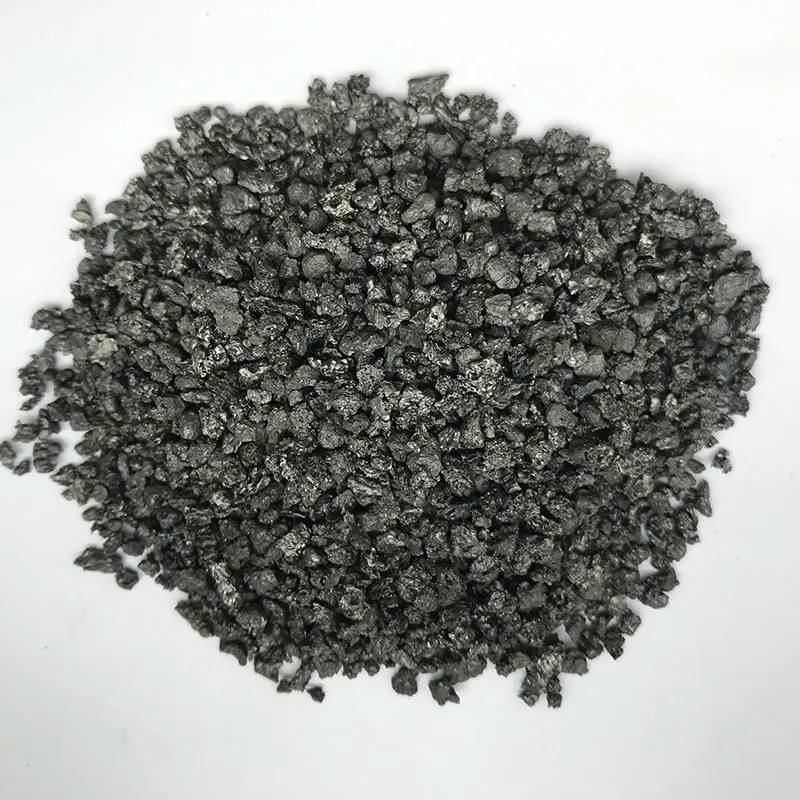
One of the biggest headaches in coke production is dealing with impurities. Crude oil naturally contains sulfur, vanadium, and nickel. These elements do not disappear easily. If the sulfur content in the feedstock for delayed coking is too high, you have a major problem on your hands.
Why is sulfur so bad? Later in the manufacturing process, the calcined coke must be graphitized in an electric furnace at nearly 3000°C. At this extreme heat, trapped sulfur rapidly turns into gas and violently forces its way out of the solid carbon. This causes the electrode to puff up and crack. This phenomenon is known as "puffing."
Therefore, keeping sulfur and metals extremely low directly determines the quality of needle crystals. A high-quality batch will have less than 0.5% sulfur. Factories spend millions of dollars to hydrotreat their feedstocks, using hydrogen gas to strip away the sulfur before the oil ever enters the coker unit.
What is the true difference between needle coke and coal-based needle coke?
You will often hear buyers debate the merits of different types of petroleum products versus coal products. You can produce needle coke from either petroleum or coal. The debate around needle coke and coal-based needle sources is highly technical but very important.
Petroleum needle coke is made from the decant oil we discussed earlier. It generally has a lower coefficient of thermal expansion and fewer metallic impurities. Coal-based needle coke, on the other hand, is made from coal tar pitch. Coal tar is a heavy liquid left over from turning coal into metallurgical coke for blast furnaces.
| Feature | Petroleum Needle Coke | Coal-Based Needle Coke |
|---|---|---|
| Raw Material | FCC Decant Oil | Coal Tar Pitch |
| Sulfur Content | Generally Lower | Can be slightly higher |
| Puffing Risk | Requires care | Generally has lower puffing |
| Application | UHP Electrodes | Large UHP Electrodes |
When comparing standard coke and coal-based needle coke, both are excellent for UHP (Ultra High Power) electrodes. However, steel mills often prefer one over the other based on the specific thermal profile of their melting operations. Both require intense pyrolysis to form the correct carbon structures.
Why is the coefficient of thermal expansion so critical for needle coke?
If there is one technical term you must remember, it is CTE, or the coefficient of thermal expansion. This number measures how much a material swells when it gets hot. Inside a steelmaking pot, the temperature swings are massive and violent.
If the CTE of your electrode is too high, the carbon column will expand rapidly when the electric arc flashes. The outside heats faster than the inside, causing massive thermal stress. Soon, huge chunks of carbon will snap off and fall into the liquid metal. This ruins your steel chemistry and stops production.
The quality of needle coke is ultimately judged by its CTE. A lower number means the material stays stable under fire. The long, aligned needles allow the material to absorb heat without changing shape drastically. This is the primary reason why needle coke is strictly required for the most demanding arc furnaces today.
How does the needle coke produced transform into an artificial graphite electrode?
The needle coke produced at the refinery is just the starting point. Turning it into a finished artificial graphite electrode is a long, multi-month process. First, the calcined coke is crushed and sorted into exact sizes. It is then mixed with hot coal tar pitch, which acts like a strong glue.
This hot, black dough is pushed through a giant press to form a long cylinder. Next, these cylinders are baked slowly for weeks to harden the pitch. But they are still not graphite. The final, most crucial step is graphitization.
The baked cylinders are packed into a massive furnace. A tremendous amount of electric current is passed directly through them. As temperatures hit 3000°C, the carbon atoms rearrange themselves into perfect, flat layers. The raw coke transforms into pure, artificial graphite. This finished product is incredibly strong and ready to conduct power. You can see this high quality in specialized parts like GRAPHITE ELECTRODE NIPPLES, which hold the massive columns together safely.
Many buyers ask if they can save money by using regular calcined petroleum coke instead of expensive needle coke. The answer depends entirely on what you are making. Regular pet coke (often called sponge coke) is a fantastic product, but it has completely different physical limits.
Sponge coke is widely used in the aluminum industry to make anode blocks. It is also a great fuel source or used in the production of basic titanium dioxide. In the steel world, Calcined Petroleum Coke (CPC Coke) and Graphite Petroleum Coke (GPC Coke) are essential recarburizers. Steelmakers throw this coke directly into the molten metal to raise the carbon content precisely.
However, you absolutely cannot use regular sponge coke for manufacturing graphite electrodes used in high-power furnaces. The CTE is simply too high, and the electrical resistance is too great. If you try to push 100,000 amps through an electrode made of sponge coke, it will shatter almost instantly. Regular coke is great for adjusting steel chemistry or acting as a fuel, but needle coke is structurally required for carrying massive power.
How does needle coke shape the future of steelmaking and the steel industry?
The modern steel industry is moving rapidly toward a greener future. More and more companies are abandoning traditional, high-pollution blast furnaces. Instead, they are building new electric arc furnaces to melt recycled scrap steel. This massive shift means the global demand for graphitized electrodes is skyrocketing.
Because of this, the demand for high-quality needle coke is higher than ever before. Refineries are heavily investing in ways to refine their heavy oils better, ensuring they can supply enough premium feedstock. Interestingly, the battery industry is now also buying needle coke to make artificial graphite for electric vehicle batteries. This new competition is driving the market value up and forcing steel mills to be very careful with their supply chains.
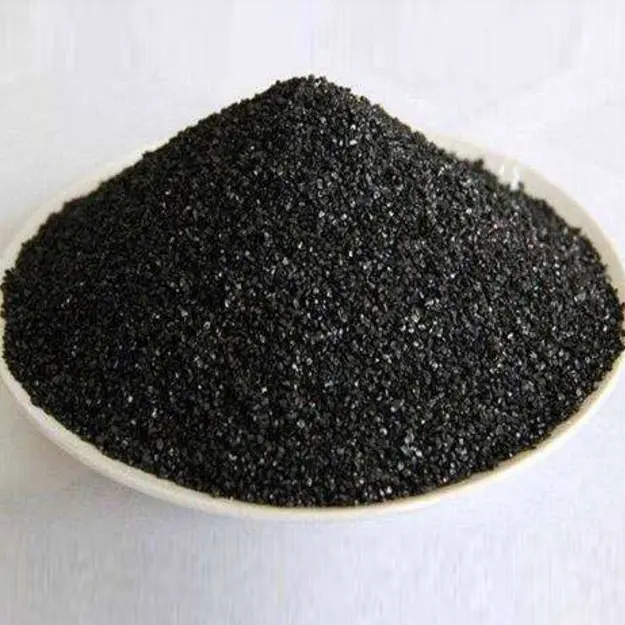
Understanding exactly how needle coke is produced helps you, the buyer, ask the right questions. When you purchase a UHP GRAPHITE ELECTRODE, you now know exactly what is inside it. You know why the raw materials matter and why paying for quality saves you massive downtime on the factory floor.
Key Takeaways for Procurement Professionals
- The Foundation: Needle coke is the essential, high-quality raw material used for manufacturing graphite electrodes. It features a unique, needle-like microstructure.
- The Process: Needle coke production relies on a tightly controlled delayed coking process, which allows the formation of mesophase crystals from heavy petroleum feedstock.
- Crucial Heating: Before use, the green coke is calcined in a rotary kiln. To properly calcine the material means removing moisture, hydrogen, and increasing density.
- Sulfur is the Enemy: High sulfur content causes puffing during graphitization. Stripping sulfur and metals from the feedstock is critical for survival in the furnace.
- The Thermal Metric: The most important measurement for this carbon material is its coefficient of thermal expansion (cte). A low number prevents cracking in your electric arc furnace.
- Two Paths: Both petroleum needle coke (from fcc decant oil) and coal-based needle coke (from coal tar pitch) are highly effective for powering the modern steel industry.
Post time: 7 月-03-2026