










From the lead in a humble pencil to the sophisticated anode in a modern electric vehicle battery, carbon is one of the most versatile elements on Earth. However, not all carbon is created equal. In the industrial world, specifically in metallurgy and advanced manufacturing, the demand is shifting rapidly toward high purity synthetic graphite. This material is no longer just a commodity; it is a critical enabler of modern technology.
This article explores the fascinating world of graphite powder, examining why purity matters, the differences between natural and synthetic graphite, and the vast applications of graphite in today's economy. We will dive into how synthetic graphite powder serves as a vital lubricant, a key component in lithium-ion batteries, and the foundation for graphite electrodes used in steelmaking. Whether you are in the graphite market for carbon and graphite products or simply curious about this black powder, this guide breaks down complex graphite technologies into clear, understandable insights.
What Is Graphite and How Does It Differ From Diamond?
At a microscopic level, graphite and diamond are siblings. They are both composed entirely of carbon atoms. The difference lies in how these atoms are arranged. In a diamond, the atoms are locked in a rigid, 3D structure, making it the hardest natural substance. In graphite, the carbon atoms are arranged in flat sheets or layers. These layers are strong within themselves but are held together by very weak bonds.
This layered structure allows the sheets to slide over one another easily. This is why graphite is very soft and feels slippery to the touch, a property that defines many of its uses. Despite being a non-metal, graphite has high electrical conductivity and thermal conductivity, properties usually found in metals. This unique combination—slippery like oil, conductive like copper, and heat-resistant like ceramic—makes graphite a "miracle material" for engineers. Graphite occurs naturally in metamorphic rocks, but for high-end industrial applications, we often rely on synthetic versions created in a furnace.
Natural vs. Synthetic Graphite: Which Is Better for Your Needs?
When procuring carbon materials, buyers often face a choice between natural graphite and synthetic graphite. Natural flake graphite is mined from the earth. It is abundant and generally cheaper, making it a popular choice for refractories and basic crucible manufacturing. However, natural graphite contains impurities—ash and other minerals from the ground—that can affect performance in sensitive applications.
Synthetic graphite, on the other hand, is man-made. It is produced by heating carbon precursors, such as petroleum coke or coal tar pitch, to extremely high temperatures (around 3000°C). This process, called graphitization, removes impurities and aligns the carbon structure. Synthetic graphite powder offers consistency. Its properties—purity, particle size, and conductivity—can be tailored during manufacturing. For high-tech sectors like semiconductors or nuclear power, the high purity of synthetic material is indispensable.
Why Is Purity So Critical in High-Quality Graphite Powder?
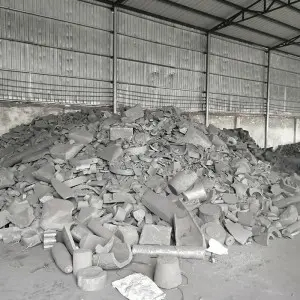
In the world of carbon graphite, purity is the gold standard. High purity graphite typically refers to material with a carbon content of 99.9% or higher. Why does this tiny fraction of a percentage matter? In many processes, impurities can cause catastrophic failures.
For example, in a nuclear reactor, nuclear graphite must be free of boron, which absorbs neutrons and stops the reaction. In the production of graphite parts for the semiconductor industry, even trace amounts of metal contamination can ruin a silicon wafer. When graphite powder acts as an additive in batteries, impurities can lead to dangerous short circuits or reduced battery life. Therefore, manufacturers invest heavily in purification processes to ensure their powder meets strict specs. For a buyer like Peter Kovac in the steel industry, high purity ensures that the graphite doesn't introduce unwanted elements into the steel melt.
How Does Graphite Powder Act as a Superior Lubricant?
One of the most common uses of this material is as a lubricant. Because the layers of carbon atoms slide so easily, graphite powder reduces friction between moving parts. Unlike oil or grease, graphite is a solid. It creates a dry film on the surface of metals.
Graphite is used as a dry lubricant in environments where liquid lubricants would fail. Imagine a machine operating at high temperature where oil would burn up or evaporate. Graphite remains stable and keeps things moving smoothly. Graphite powder is used in heavy machinery, locks, and even in the forging of hot metals. Graphite also works well under high pressure, preventing metal-to-metal contact that would cause seizing or galling. This makes it an essential maintenance supply for factories worldwide.
What Role Does Synthetic Graphite Play in the Electric Vehicle Revolution?
The automotive industry is undergoing a massive shift toward electric power, and graphite is the unsung hero of this revolution. Every lithium-ion battery has two electrodes: a cathode and an anode. The anode is almost always made of graphite.
While lithium gets the headline, there is actually far more graphite in a lithium-ion battery than there is lithium. The anode requires a material that is porous enough to hold lithium ions when the battery is charged and release them when it is used. Synthetic graphite is often preferred here because of its predictable structure and long cycle life. Some manufacturers blend natural and synthetic graphite to balance cost and performance. Without high-quality graphite, the range and lifespan of modern EVs would be significantly limited.
Why Are Graphite Electrodes Essential for the Modern Electric Arc Furnace?
For steelmakers using an electric arc furnace (EAF), the graphite electrode is the heart of the operation. These massive columns of synthetic graphite conduct powerful electric currents into the furnace to melt scrap steel. This requires a material with extremely high thermal shock resistance and excellent electrical conductivity.
Only graphite can survive the intense heat of the electric arc (over 3000°C) without melting. The production of graphite electrodes involves compressing powder and coke into rods, baking them, and then graphitizing them. Graphite electrodes are used to recycle steel, making the process more sustainable than traditional blast furnaces. Graphite offers the unique ability to remain solid and conductive even when white-hot, ensuring the efficiency of global steel production. At Heyuan Carbon, we specialize in UHP Graphite Electrodes designed to withstand these rigorous conditions.
How Is Graphite Used in High-Temperature Aerospace and Nuclear Applications?
Industries such as aerospace and nuclear power push materials to their limits. Here, standard metals often fail. Graphite, specifically specialty graphite like isostatic graphite, shines in these environments. It has a unique property: it actually gets stronger as it gets hotter (up to about 2500°C).
In aerospace, graphite is mostly used in rocket nozzles and heat shields. Its high thermal stability protects the spacecraft from the intense heat of re-entry or propulsion. In the nuclear sector, massive blocks of high purity graphite serve as moderators in reactors, slowing down neutrons to sustain the nuclear chain reaction. Pyrolytic graphite and carbon fiber reinforced carbon (carbon-carbon) composites are also used for brake discs in aircraft, providing immense stopping power without fading under heat.
What Makes Graphite a Vital Component in Composite Materials?
The modern materials science landscape is dominated by composites. Composite materials combine two or more substances to create something stronger or lighter than the sum of its parts. Graphite powder is incorporated into plastics, resins, and rubbers to enhance their properties.
When added to plastic, graphite powder makes the plastic conductive, preventing static electricity buildup in fuel lines or electronic housings. It also improves the thermal conductivity of the plastic, helping to dissipate heat. In automotive brake pads and clutch facings, graphite used as a filler provides friction stability and reduces noise. Graphite can also be found in carbon fiber composites, where it adds stiffness. Expanded graphite and graphite foil are used to make gaskets and seals that maintain their integrity under high pressure and heat in automotive engines.
How Is Synthetic Graphite Powder Produced to Ensure High Quality?
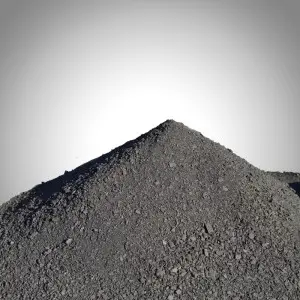
The journey from raw carbon to high purity graphite powder is a feat of engineering. It begins with selecting the right precursors, typically calcined petroleum coke. This material is crushed and ground into a fine powder.
To turn this carbon into graphite, it undergoes graphitization. The powder is placed in a specialized furnace and heated to temperatures between 2500°C and 3000°C. At this high temperature, the chaotic arrangement of carbon atoms realigns into the orderly, crystalline structure of graphite. This process also vaporizes virtually all impurities, resulting in high-purity graphite. The final product can be further milled and classified into different particle sizes, from coarse grains to micron-sized powder, depending on whether it will be used in batteries, carbon brushes, or Graphite Powder and Graphite Scrap applications.
What Is the Future Outlook for the Global Graphite Market?
The graphite market is currently experiencing a dynamic shift. Driven by the explosive growth of green energy technologies, demand for high purity and synthetic graphite is soaring. The need for lithium-ion batteries for electric vehicles and energy storage systems is the primary driver.
However, the market is also seeing innovation in applications across different industries. There is growing interest in graphite intercalation compounds and graphene (a single layer of graphite) for next-generation electronics. Major players like SGL Carbon and manufacturers in China are expanding capacity to meet this need. As industries seek lighter, more conductive, and heat-resistant materials, graphite components and powder will remain at the forefront of innovation. The future is bright for this black mineral.
Summary of Key Points
- Versatility: Graphite is a unique form of carbon with properties of both metals (conductivity) and non-metals (lubricity).
- Types: Synthetic graphite offers higher purity and consistency compared to natural graphite, making it ideal for high-tech uses.
- Heat Resistance: Graphite withstands extreme high temperature and thermal shock, crucial for furnaces and aerospace.
- Energy: It is a critical material for the green energy transition, serving as the primary anode material in lithium-ion batteries.
- Industry: From Graphite Electrode Nipples in steel mills to lubricants in factories, graphite products are essential for global manufacturing.
- Form: Whether as a solid block, a flexible graphite sheet, or a fine powder, graphite can be engineered to suit a variety of applications.
Post time: 12 月-31-2025